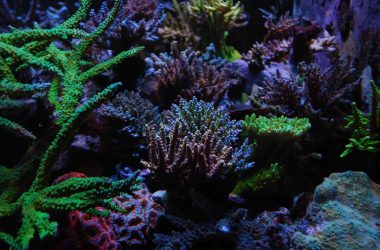

Professional Guide to Barium Supplementation in Reef Aquariums
Barium supplementation represents a sophisticated approach to trace element management in reef aquariums, requiring careful understanding of its role in coral physiology, natural seawater chemistry, and safe dosing protocols. This comprehensive guide examines the scientific foundation for barium dosing based on current research and established aquarium practices.

Understanding Barium in Marine Ecosystems
Natural Seawater Concentrations and Distribution
Barium occurs naturally in seawater at concentrations ranging from 5-20 μg/L (0.005-0.020 mg/L), with global ocean averages typically falling between 8-15 μg/L. This trace element exhibits a nutrient-like vertical profile in the water column, with concentrations increasing from surface waters to deeper thermocline layers due to biological uptake and subsequent remineralization. The element maintains relatively stable concentrations in tropical reef environments, where it plays a subtle but measurable role in calcifying organism physiology.
Biogeochemical Role in Coral Calcification
Barium serves as a minor component in coral calcification processes, where it can substitute for calcium ions in the aragonite crystal lattice during skeleton formation. Studies using coral Ba/Ca ratios as paleoceanographic proxies have demonstrated that corals actively incorporate barium from seawater in proportion to ambient concentrations, with distribution coefficients typically ranging from 1.2-1.4 for aragonitic corals. This incorporation occurs through relatively simple ionic substitution mechanisms rather than complex biological mediation.
The element appears to influence calcification control mechanisms within coral tissues, potentially affecting the regulation of pH and carbonate chemistry at the site of calcification. While not classified as an essential element, barium’s presence in natural seawater and consistent uptake by calcifying organisms suggests a supportive role in skeletal development and growth processes.
Aquarium Applications and Dosing Protocols
Target Concentrations and Monitoring
Reef aquarium barium levels should mirror natural seawater concentrations of 5-20 μg/L, with optimal maintenance typically achieved through regular ICP-OES testing rather than visual assessment. Values consistently below 5 μg/L may indicate potential deficiency, while concentrations exceeding 20 μg/L suggest the need for reduced supplementation or investigation of unintended barium sources.
ICP testing remains the most reliable method for monitoring barium levels, as barium cannot be accurately measured using standard reef test kits. Testing intervals should align with overall trace element monitoring programs, typically every 6-8 weeks for established systems or more frequently during initial setup and dosing adjustment periods
Dosing Calculations and Administration

Based on the provided barium chloride (BaCl₂) formulation:
- Stock Solution: BaCl₂ with CAS Number 10361-37-2, molecular weight 208.23 g/mol
- Dosing Rate: 2 mL per 100L increases barium concentration by 0.005 mg/L (5 μg/L)
- Recommended Range: 0.005-0.02 mg/L (5-20 μg/L)
- Maximum Safe Daily Dose: 2 mL per 100L of aquarium water
For practical application, this dosing protocol allows for precise adjustment of barium levels. A typical 400L reef system would require 8 mL of stock solution to achieve a 5 μg/L increase, bringing deficient levels into the optimal range. The relatively low maximum daily dosing rate reflects barium’s potential for bioaccumulation and the narrow window between beneficial and potentially harmful concentrations.
Administration Techniques and Best Practices
Barium supplementation should follow established trace element dosing protocols. Addition should occur in areas of high water circulation to ensure rapid mixing and prevent localized concentration spikes. The supplement can be dosed directly into the main display aquarium or sump, depending on system configuration and water flow patterns.
Gradual dosing represents the safest approach, particularly for systems with previously low barium levels. Rather than attempting to reach target concentrations immediately, doses should be split across several days to allow coral and bacterial populations to adjust to changing trace element profiles. This approach minimizes stress on tank inhabitants and reduces the risk of precipitation reactions with other dissolved minerals.
Safety Considerations and Contraindications
Toxicity Thresholds and Adverse Effects
Barium toxicity in marine environments has been documented at concentrations significantly exceeding natural seawater levels. Research indicates that concentrations above 200 μg/L can lead to adverse physiological effects in marine organisms, including tissue necrosis and compromised calcification. In reef aquariums, elevated barium levels may manifest as coral tissue discoloration, particularly grayish coloration in small polyp stony (SPS) corals.
The relationship between barium toxicity and iodine concentrations appears particularly important, as low iodine levels can exacerbate barium-related stress responses. This interaction emphasizes the importance of balanced trace element supplementation rather than isolated dosing of individual elements.
Chemical Interactions and Precipitation Risks
Barium’s chemical behavior in seawater presents several important considerations for reef aquarium management. The element readily forms insoluble barium sulfate (barite) precipitates when concentrations exceed saturation thresholds, particularly in the presence of elevated sulfate levels. These precipitation events can result in equipment fouling and reduced water clarity.
The interaction between barium and other alkaline earth metals, particularly calcium and strontium, requires careful consideration during supplementation programs. While these elements can substitute for one another in crystal lattices, imbalanced ratios may affect calcification efficiency and coral health. Some commercial formulations combine barium with strontium specifically to maintain appropriate ratios.
Sources and Contamination Management
Unintended Barium Introduction
Several common aquarium materials and additives can introduce barium inadvertently, potentially leading to elevated levels that exceed safe thresholds. Zeolite-based filter media represents a primary concern, with some products releasing 41-82 μg/L of barium per gram of media used. This input can rapidly elevate aquarium barium levels well beyond optimal ranges.
Activated carbon, contrary to some assumptions, generally does not contribute significant barium to reef systems. However, certain phosphate adsorber products may release barium, while others can actually reduce barium concentrations through adsorption. Understanding the specific properties of filtration media becomes crucial for maintaining stable trace element profiles.
Food sources, particularly those containing marine-derived ingredients, can contribute to gradual barium accumulation over time. While this input typically remains within acceptable ranges, heavily fed systems may require more frequent monitoring and potential dosing adjustments.
Water Source and Salt Mix Considerations
The choice of salt mix and water source can significantly impact baseline barium levels in reef systems. Some salt formulations naturally contain barium at or near natural seawater concentrations, potentially reducing the need for supplementation. Regular water changes with appropriate salt mixes may provide sufficient barium replenishment for many systems, particularly those with lower calcification demands.
Reverse osmosis/deionized (RO/DI) water typically contains negligible barium, making supplementation more critical in systems relying entirely on synthetic salt mixes and purified water sources. The quality and composition of salt mixes should be verified through ICP testing to establish baseline element profiles and dosing requirements.
Integration with Comprehensive Reef Management
Relationship to Other Trace Elements
Barium supplementation should never occur in isolation but rather as part of a comprehensive trace element management strategy. The element’s interactions with calcium, strontium, and magnesium require careful balancing to maintain optimal calcification conditions. Research suggests that maintaining appropriate ratios between these alkaline earth metals may be more important than achieving specific individual concentrations.
The relationship between barium and major elements extends beyond simple chemical interactions to encompass biological responses. Corals and other calcifying organisms appear to regulate trace element uptake based on overall mineral availability and physiological demands. This biological regulation emphasizes the importance of stable, balanced supplementation rather than aggressive dosing of individual elements.
System-Specific Considerations
Different reef aquarium configurations may require varying approaches to barium supplementation. Systems dominated by small polyp stony (SPS) corals typically exhibit higher trace element consumption rates due to rapid calcification, potentially necessitating more frequent monitoring and dosing adjustments. Large polyp stony (LPS) and soft coral systems may require less intensive trace element management but still benefit from maintaining natural seawater profiles.
High-bioload systems with intensive feeding regimens may experience more rapid trace element depletion due to increased metabolic activity and waste production. These systems often benefit from more frequent ICP testing and may require adjusted dosing schedules to maintain stable element profiles.
The presence of calcifying organisms beyond corals, including coralline algae, mollusks, and crustaceans, contributes to overall trace element demand. Systems with diverse calcifying communities may exhibit different consumption patterns compared to coral-dominated aquariums, requiring individualized monitoring and supplementation approaches.
Monitoring and Troubleshooting
ICP Test Interpretation
Regular ICP-OES testing provides the foundation for effective barium management in reef systems. Test results should be interpreted within the context of overall system chemistry, particularly alkalinity, calcium, and magnesium levels. Barium deficiency often coincides with imbalanced major element ratios or inadequate trace element supplementation programs.
Elevated barium levels require immediate attention to identify and address contributing factors. Common causes include excessive supplementation, contaminated filter media, or inappropriate salt mix selection. The source of excess barium should be identified and eliminated before attempting to reduce concentrations through water changes or selective media filtration.
Corrective Actions and System Recovery
When barium levels fall outside optimal ranges, corrective actions should proceed gradually to avoid shocking tank inhabitants. For deficient systems, dosing should begin at 50% of calculated requirements, with levels rechecked after one week before proceeding with full supplementation. This conservative approach allows biological systems time to adjust and helps prevent overcorrection.
Excessive barium levels typically require reduction through water changes combined with elimination of contributing sources. Aluminum-based phosphate removers may help reduce barium concentrations through adsorption, though this approach should be monitored carefully to avoid disrupting other trace element balances.
Systems experiencing barium-related coral stress should receive immediate attention, including enhanced water changes and temporary suspension of all trace element dosing until levels return to acceptable ranges. Recovery may require several weeks, emphasizing the importance of preventive monitoring rather than reactive correction.
Conclusion and Best Practices
Barium supplementation in reef aquariums requires a scientific approach based on natural seawater chemistry, careful monitoring, and integration with comprehensive trace element management. The narrow concentration range between beneficial and potentially harmful levels demands precision in both testing and dosing protocols.
Success with barium supplementation depends on understanding its role as a minor but measurable component of coral calcification processes rather than an essential nutrient requiring aggressive dosing. Regular ICP testing, gradual dosing adjustments, and attention to potential contamination sources provide the foundation for safe and effective barium management in reef systems.
The integration of barium supplementation with broader reef management practices, including balanced major element dosing and comprehensive trace element monitoring, offers the best prospects for supporting healthy coral growth and maintaining stable system chemistry. As research continues to refine our understanding of trace element interactions in reef aquariums, barium supplementation protocols may evolve, but the fundamental principles of careful monitoring, gradual adjustment, and system-wide consideration will remain paramount.