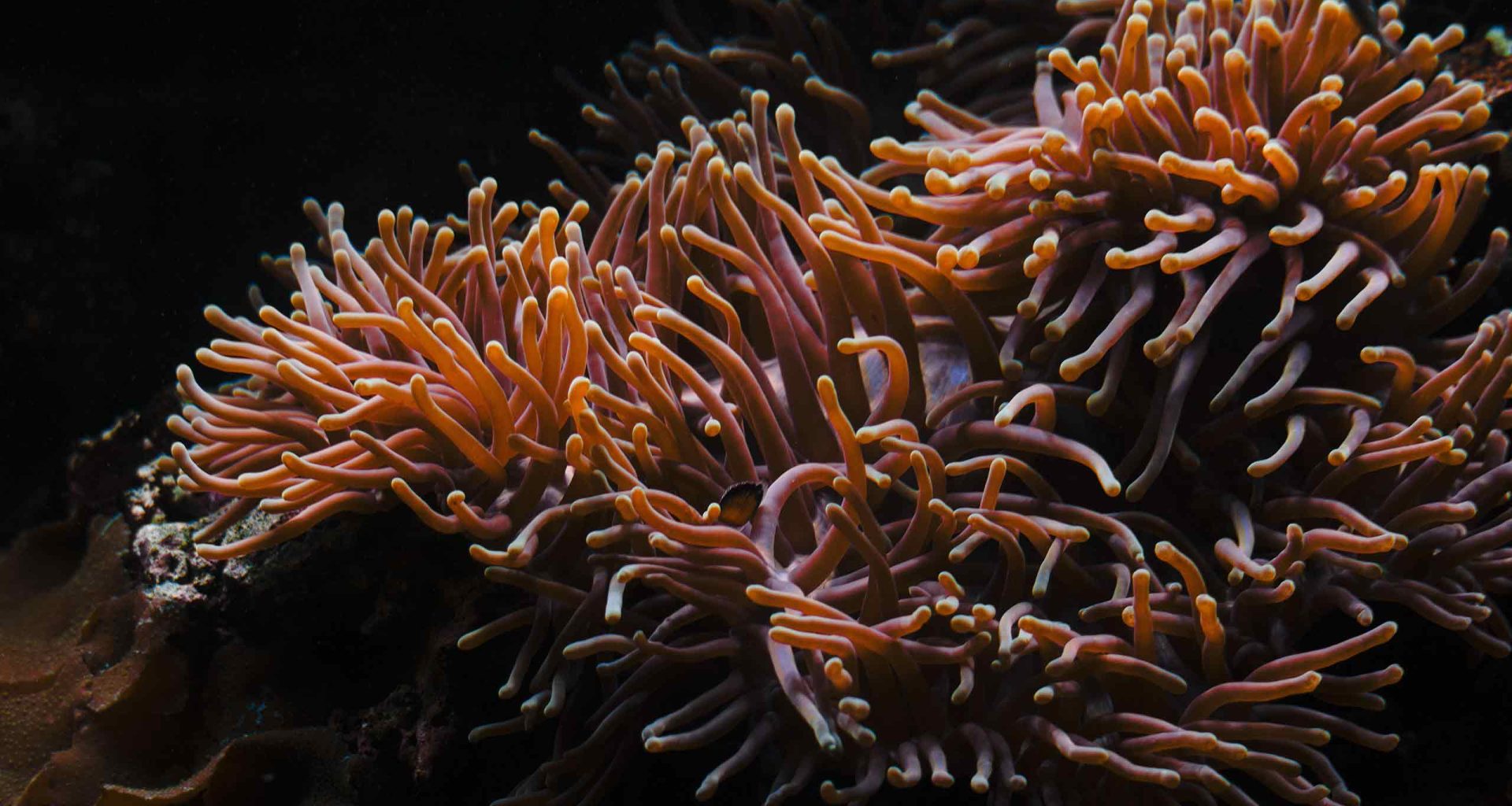
Ciprofloxacin is a critical antibiotic for rescuing host anemones from bacterial infections from shipping stress, physical damage, or environmental instability. Below is a complete protocol for safe and effective treatment.
Why Use Ciprofloxacin for Anemones?
- Targets gram-negative bacteria responsible for rapid tissue necrosis, deflation, and mouth gaping.
- Halts progression of infections that often prove fatal within days if untreated.
- Pre-emptive use can save anemones showing early stress signs (e.g., minor deflation, slight mucus overproduction) before full-blown infections develop.
Symptoms Requiring Treatment
- Tissue necrosis (white/gray patches, rapid tissue loss)
- Persistent deflation (failure to inflate for >24 hours)
- Gaping mouth (oral disc remains wide open)
- Excessive mucus production (stringy or slimy discharge)
- Bleaching (combined with other symptoms)
Treatment Protocols
Pharmaceutical-Grade Ciprofloxacin: Non-Negotiable
- Use only pure, pharmaceutical-grade powder or capsules.
- Avoid Cipro with binders/fillers (common in human medications), which can leach harmful additives into the water.
- Dose accuracy: Pharmaceutical-grade ensures precise dosing, especially critical for sensitive species.
Pre-Emptive Treatment for New Arrivals
When to use:
- Anemones arriving with minor deflation, shipping stress, or abrasions.
- Prior to introducing anemones into a display tank with a history of bacterial issues.
Protocol:
- Hospital tank setup: 50–100 litres, powerhead, and egg crate divider.
- Initial dose: 250 mg ciprofloxacin per 40 Liters of water.
- Daily cycle: Perform 100% water change using clean saltwater (match display tank parameters) and dose ciprofloxacin at night/ after lights off (light degrades the antibiotic).
- Duration: 5–7 days, even if symptoms resolve earlier to prevent anti-biotic resistance.
Acute Infection Treatment
For severe necrosis or gaping mouth:
Bath treatment (1–2 hours):
- 250–500 mg ciprofloxacin every 4 liters of saltwater.
- Gently aerate the solution during the bath.
Hospital tank follow-up (Optional):
- Transfer to a hospital tank dosed at 250 mg per 40 liters with daily 100% water changes.
- Continue for 7–14 days, extending 3 days post-symptom resolution.
Sensitive species adjustment (e.g., S. haddoni):
- Use 0.125 mg/L (5 mg per 40 liters) every 12 hours to avoid overdose.
In-Tank Treatment (Last Resort).
Only for systems where hospital tanks are impossible:
- Dose 250 mg per 80 liters daily for 7 days.
- Remove activated carbon, UV sterilizers, and protein skimmers.
- Risks: Disrupts biofilter; monitor ammonia/nitrite closely.
Post-Treatment Care
- Reintroduction: Place anemones in low-flow areas.
- Feeding: Offer small pieces of shrimp or scallop once fully inflated.
- Water quality: Maintain stable parameters (pH 8.0–8.4).
Risks and Precautions
- Antibiotic resistance: Never under dose or shorten treatment duration.
- Light sensitivity: Dose at night and avoid direct light.
Effectiveness Across Anemone Species
Bubble Tip Anemone: Multiple hobbyists have successfully used cipro to treat bacterial infections, saving specimens that would have otherwise died.
Carpet Anemones (S. haddoni, S. gigantea, S. mertensii): Well-documented protocols exist for cipro treatment, with numerous successful recoveries from severe necrosis and deflation.
Magnificent (Ritteri) Anemone: Cipro is a standard part of professional quarantine and treatment procedures for this highly sensitive species.
Sebae, Long Tentacle, Condy, and Rock Flower Anemones: While most protocols focus on host anemones, cipro’s broad-spectrum action makes it a reasonable choice for these species if bacterial infection is suspected.
Final Notes
Ciprofloxacin is a lifesaving intervention for anemones when used correctly. Prioritize pharmaceutical-grade products, adhere to dosing guidelines, and always treat in a hospital tank if possible to protect display ecosystems. Pre-emptive treatment during acclimation significantly improves survival rates for stressed or injured specimens.