

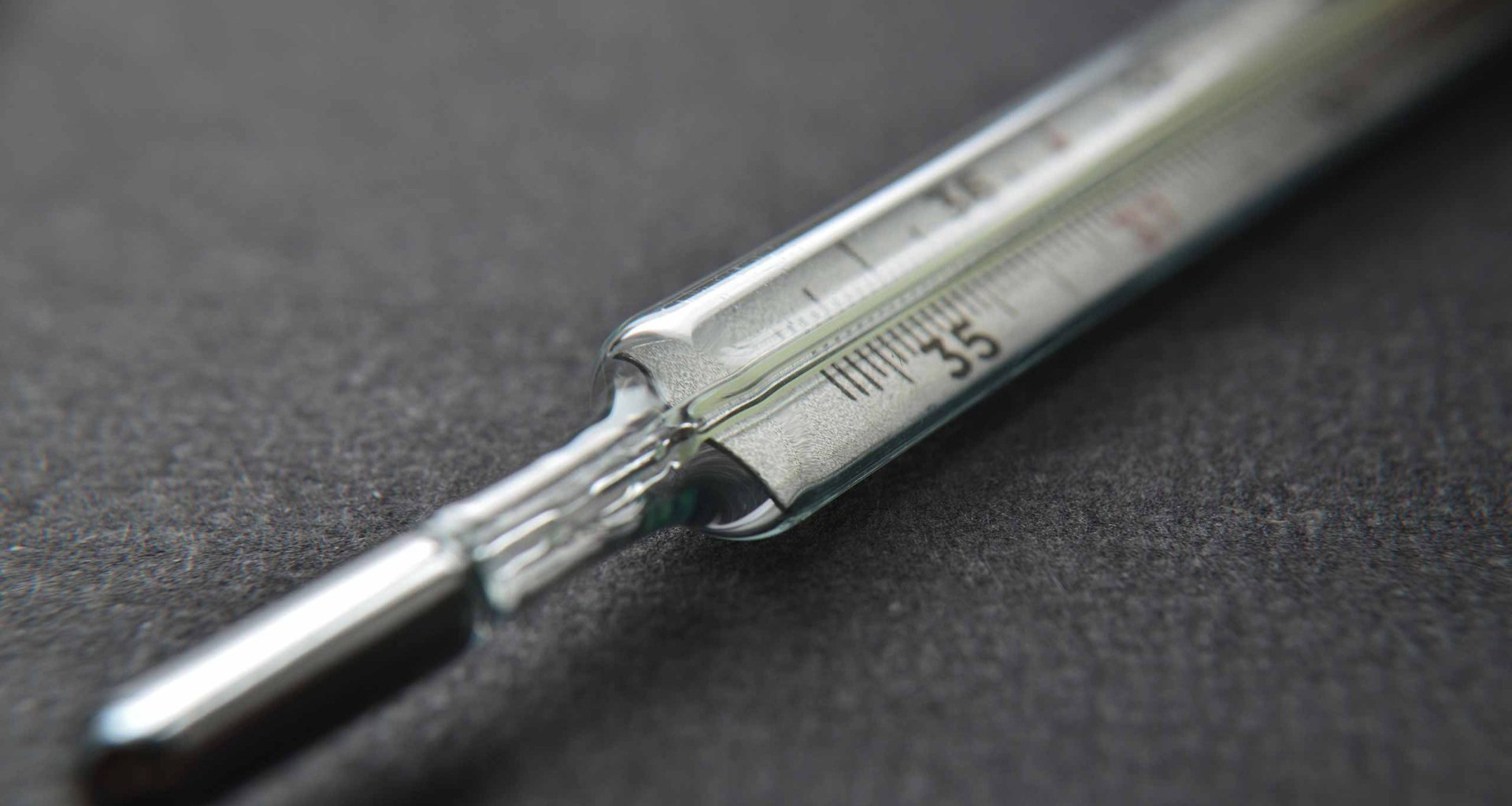
Maintaining proper water parameters is crucial for a thriving reef tank, yet many aquarists overlook how temperature affects specific gravity readings. This relationship is particularly important in the common reef tank temperature range of about 24-27°C. Lets explain why this matters and how to account for it in your aquarium management.
Understanding Specific Gravity and Salinity
Specific gravity (SG) is a ratio of seawater density relative to the density of pure water. While marine organisms care about actual salinity (the amount of salt in water), we typically measure specific gravity as a proxy because it is usually easier to test.
A critical point many aquarists miss is that the same salinity will show different specific gravity readings at different temperatures. This occurs because:
- Water expands as it warms, becoming less dense
- Seawater becomes less dense faster than pure water as temperature rises
- The interaction between salt ions changes with temperature
How Temperature Affects Specific Gravity
For standard natural seawater salinity of 35ppt, specific gravity changes as follows:
- At 25°C: SG = 1.0243
- At 27°C: SG = 1.0236
This means that as your tank warms from 25°C to 27°C, your specific gravity reading will decrease by 0.0007, even though the actual salinity remains constant at 35ppt.
Temperature-SG Relationship Table (at constant salinity)
| Temperature | Specific Gravity (35ppt) |
|---|---|
| 24°C | ~1.0247 (estimated) |
| 25°C | 1.0243 |
| 26°C | ~1.0240 (estimated) |
| 27°C | 1.0236 |
Practical Implications for Reef Keepers
This temperature-density relationship creates several practical challenges:
- Reference Temperature Confusion: Refractometers are calibrated to specific reference temperatures (often 20°C/68°F), which means the reading you get relates to how dense the water would be at that reference temperature, not at your actual tank temperature.
- Equipment Variations: Different measuring devices use different reference temperatures. A refractometer calibrated at 60°F will give different readings than one calibrated at 77°F for the same water.
- Biological Impact: While a specific gravity drop from 1.024 to 1.023 might seem minor, some marine invertebrates (particularly anemones) are sensitive to these changes and may struggle with osmoregulation at higher temperatures.
How to Manage SG in Your Reef Tank
To properly maintain your reef tank:
- Understand Your Equipment: Know the calibration temperature of your measuring device. Temperature-compensating refractometers are ideal as they automatically adjust readings.
- Target Salinity, Not Just SG: Aim for 35ppt salinity (natural seawater level) rather than fixating on a specific gravity number.
- Consistent Measurement Techniques: Always measure at the same temperature if possible, or use conversion tables to understand what your readings mean.
- Maintain Stability: Avoid temperature fluctuations, which will cause specific gravity changes that stress marine organisms.
- Proper Top-Off Practices: Only use freshwater (RO/DI) for evaporation top-offs since only water evaporates, not salt.
Conclusion
Understanding how temperature influences specific gravity is essential for successful reef keeping. The seemingly small SG changes can actually represent significant biological stress factors for sensitive marine organisms.
Rather than aiming for a single “magic number” specific gravity across all temperatures, focus on maintaining stable water parameters and understanding what your measurements actually mean at your operating temperature. This approach will help ensure your reef inhabitants thrive in conditions that properly replicate their natural environment.
