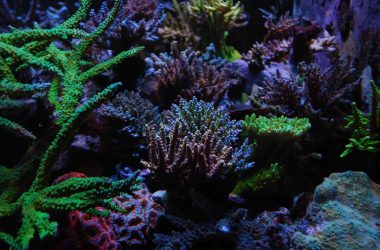

Ciprofloxacin has shown considerable promise as both a preventative and treatment option for Slow Tissue Necrosis (STN) and Rapid Tissue Necrosis (RTN) in SPS corals. Based on track records, ciprofloxacin dips before introducing corals to the main system or a full tank dosage can be an effective preventive and treatment measures when used correctly.
Understanding STN/RTN in SPS Corals
STN manifests when a coral gradually starts bleaching from the base, with tissue seemingly “consumed by some invisible organism” leaving white skeleton below the demarcation line. RTN progresses much more rapidly, with tissue sloughing off quickly. These conditions have plagued SPS coral keepers since these corals first began being imported into the hobby.
Effectiveness
Targeted Pathogen Action: Ciprofloxacin has shown specific effectiveness against bacterial pathogens like Vibrio and Arcobacter species, which are associated with STN/RTN. Rapid Improvement: When used as a treatment, improvement is often visible within 24-48 hours. One aquarist reported that affected corals showed signs of improvement within 24 hours of the first dose of ciprofloxacin, and were “fully extended and looked perfectly healthy again” within 48 hours. Documented Success: Multiple reef hobbyists have reported successfully stopping STN progression with ciprofloxacin dips. In one case, an affected Acropora spathulata colony was dipped in ciprofloxacin solution, and “the recession stopped and did not ever come back”. Full-System Success: A study showed “ciprofloxacin did have incontrovertibly positive effects on the health of the infected and healthy corals” when used as a full tank treatment.
Microbiome Considerations and Side Effects
One of the most significant concerns about antibiotic use is the potential impact on beneficial bacteria. However, research suggests minimal negative impact when used correctly.
Selective Targeting: Data indicates ciprofloxacin may selectively target pathogenic bacteria while having limited impact on beneficial microbiomes. After treatment, one study found the microbial community actually improved rather than deteriorated. System Parameters: During treatment, tank parameters may temporarily change. Observations include: ORP decreasing. PO4 increasing. Nitrate increase. Alkalinity and calcium consumption dropping by approximately 25%. Recovery Period: Most tanks return to normal levels within one week to a month after treatment.
Conclusion
Ciprofloxacin dip is an effective preventative measure against STN/RTN in SPS corals when used properly. The evidence suggests they can successfully eliminate potential pathogens before they establish in your system, with minimal negative impact on beneficial bacteria.
For preventative measures or treating individual corals, dip treatments are recommended. For widespread infections affecting multiple corals, whole tank treatment may be more appropriate but should be used as a last resort.
For optimal results, consider using ciprofloxacin as part of a comprehensive prevention strategy that includes quarantine procedures, proper acclimation, and maintaining excellent water quality. Reserve full-tank treatments for severe cases when preventative measures have failed, as these treatments are more disruptive to the tank ecosystem.
While ciprofloxacin cannot guarantee prevention in all cases, the evidence indicates it is one of the most effective tools available to reef keepers for protecting valuable SPS coral collections from devastating tissue necrosis conditions.
In all cases, proper preparation of the ciprofloxacin solution and adherence to the specific protocols are essential for successful treatment while minimizing potential negative effects on beneficial bacteria. Many aquarists report visible improvement within 24-48 hours of treatment, with some noting enhanced coral growth and coloration following successful treatment. Preventive and treatment protocols and instructions will be provided in the upcoming guide.